Important Disclosure: Tour My Corbett is an independent travel assistance and booking facilitation service operated under the trade name JIM CORBETT ONLINE. We are not affiliated with, endorsed by, authorized by, or representing the Uttarakhand Forest Department, Corbett Tiger Reserve, Jim Corbett National Park, Government of Uttarakhand, Government of India, or any government authority. Safari permits, forest lodge reservations, and related travel services are subject to availability, applicable regulations, and approval by the relevant authorities or service providers.
Wildlife Conservation Efforts at Jim Corbett National Park
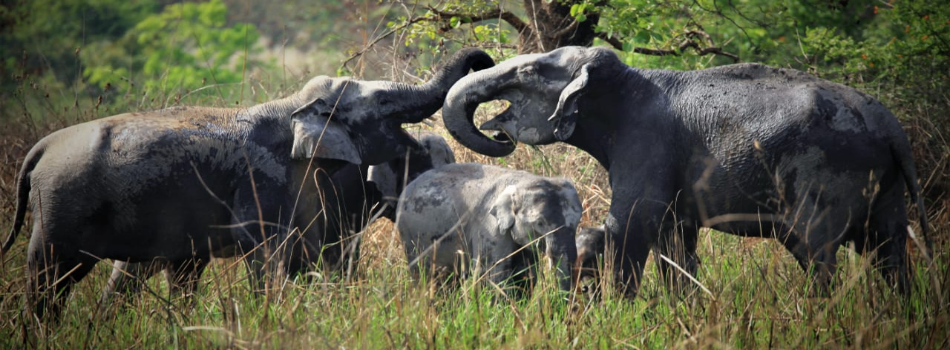
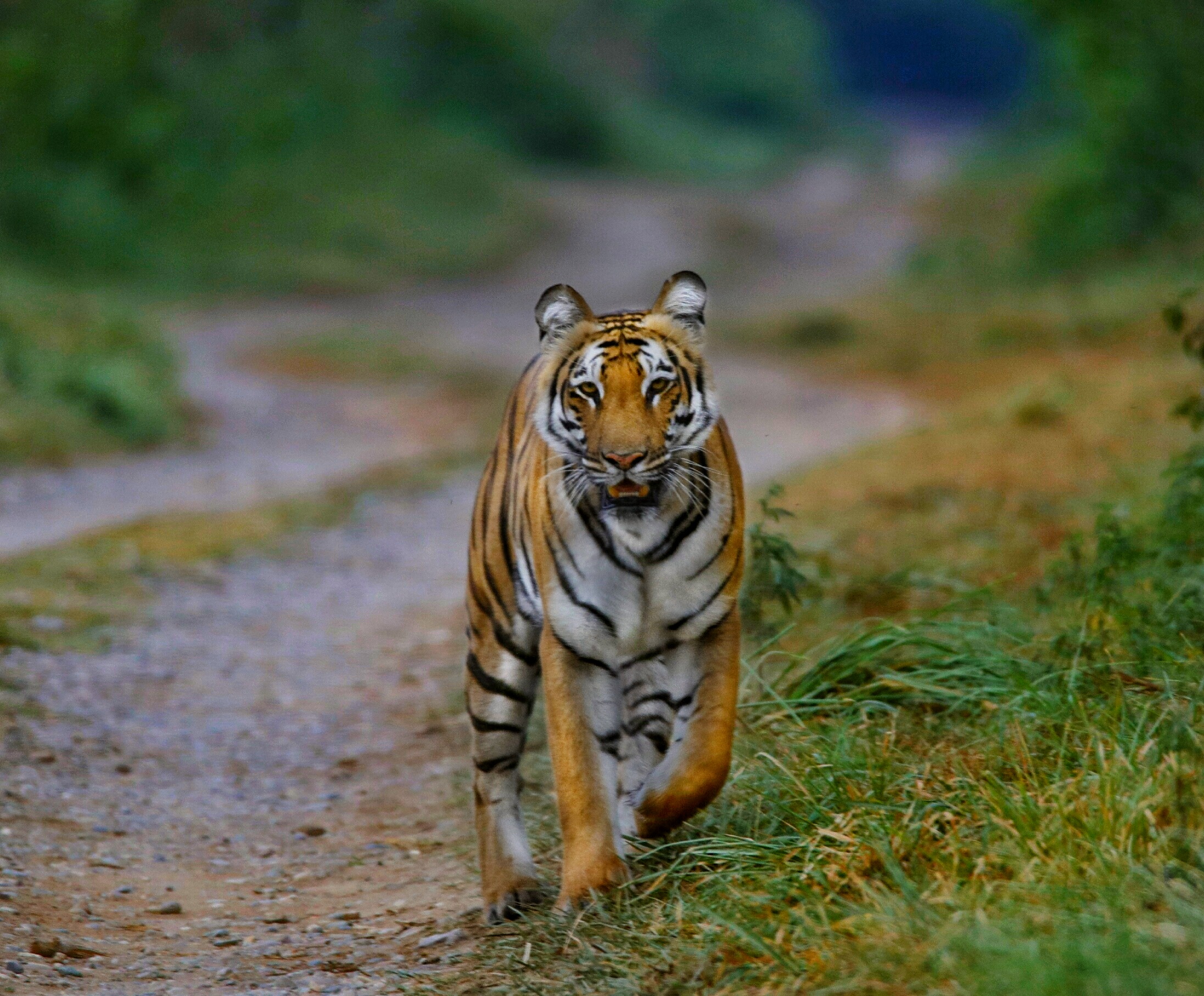
Jim Corbett National Park, the jewel of Uttarakhand’s wildlife tourism, is renowned worldwide for its diverse flora and fauna. Home to magnificent species such as Bengal tigers, elephants, and gharials, the park plays a vital role in wildlife preservation. The park management is committed to safeguarding these animals while maintaining the integrity of their natural habitats through several key conservation initiatives.
Following a steep decline in India's tiger population due to deforestation and hunting, Project Tiger was launched on April 1, 1973. Jim Corbett National Park was proudly chosen as one of the first reserves under this landmark initiative. This project marked the beginning of focused efforts to protect the Bengal tiger, designating the park as the Corbett Tiger Reserve (CTR).
Today, thanks to these efforts, Corbett boasts a thriving population of around 164 tigers and over 600 elephants, making it one of Asia’s most successful conservation stories.
Organizations Behind Project Tiger:
The initiative is managed by the Government of India under the Ministry of Environment, Forest, and Climate Change.
Each reserve is managed locally by a Field Director who coordinates with state and central authorities.
The project receives significant financial support for both recurring and non-recurring conservation expenses.
2. Crocodile Conservation Project
Launched in Corbett in 1976, the Indian Crocodile Conservation Project is recognized globally as a highly successful effort to save endangered crocodilian species like the freshwater crocodile and gharial from the brink of extinction.
Core Objectives of the Project:
Ensuring captive breeding programs to safeguard future populations.
Collecting eggs from natural habitats for controlled hatching and nurturing.
Reducing mortality rates by protecting young crocodiles from natural predators.
Releasing healthy juveniles back into their natural environments.
3. Project Elephant
Launched in February 1992, Project Elephant is a central government-sponsored scheme aimed at conserving elephant populations and their habitats. Corbett is a key beneficiary, receiving financial and technical support to safeguard elephant corridors, prevent human-elephant conflicts, and promote research and awareness.
Conclusion
Jim Corbett National Park stands as a shining example of effective wildlife conservation. The continued collaboration between government agencies, forest officials, and local communities is vital to preserving the park’s incredible biodiversity for future generations.
Disclaimer :
Tour My Corbett is a travel brand operated by Jim Corbett Online. We provide independent safari booking assistance and travel-related services. We are not affiliated with, endorsed by, authorized by, or representing Jim Corbett National Park, Corbett Tiger Reserve, the Forest Department, the Government of Uttarakhand, or any government authority. Safari permits, zone allocations, and guide assignments are subject to the rules, availability, and approval process of the concerned authorities.