Safari Zones in Jim Corbett National Park
Jim Corbett National Park is thoughtfully divided into eight distinct ecotourism zones to efficiently manage tourism activities and preserve the delicate tiger reserve ecosystem. These zones include Dhikala, Bijrani, Jhirna, Garjiya, Sitabani, Pakhro, Dhela, and Durga Devi. To maintain a balanced flow of visitors and ensure minimal disturbance to wildlife, safari tours are conducted in two shifts per day, with limited vehicles allowed in each zone. Each zone offers its own unique natural beauty, diverse landscapes, and abundant wildlife, with wildlife viewing opportunities that can vary by zone, season, weather and day.
Here’s an overview of all eight safari zones:
Dhikala Zone
- Entry Gate: Dhangadi Gate (32 km from Ramnagar)
- Open Season: November 15 to June 15
- Safari Type: Day Canter Safari (No Jeep Safari)
- Seats per Shift: 32 (in two 16-seat Canter buses)
- Forest Rest Houses: Dhikala FRH, Gairal FRH, Sarpduli FRH, Sultan FRH
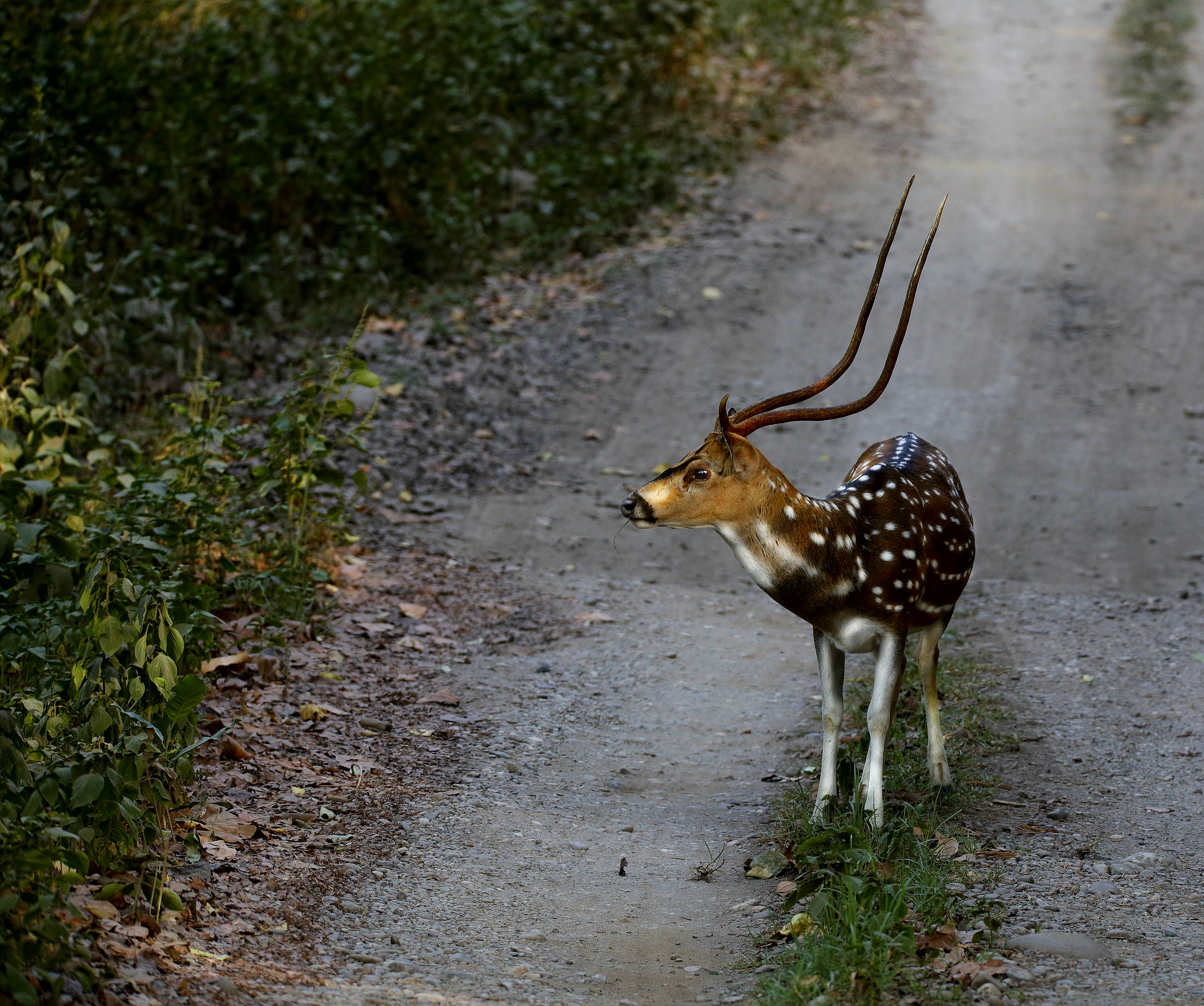
Dhikala is often regarded as the crown jewel of Corbett’s safari zones. Nestled on the edge of the Patil Dun valley, it boasts expansive grasslands known as Chaurs, dense sal forests, and winding channels of the Ramganga River. The stunning valley views overlooking the Kanda Ridge provide an unforgettable backdrop. Wildlife commonly associated with the area includes tigers, elephants, deer and many bird species; sightings are not guaranteed. Safari rides here are conducted via open Canter buses, creating an immersive experience of the park’s wilderness.
Bijrani Zone
- Entry Gate: Amdanda Gate (2 km from Ramnagar)
- Open Season: October 15 to June 30
- Safari Type: Day Jeep Safari
- Max Jeeps per Shift: 30
- Forest Rest Houses: Bijrani FRH, Mailani FRH
.jpeg)
Bijrani is the second most popular zone after Dhikala, favored for its peaceful ambiance and diverse wildlife. Its landscape features sprawling grasslands, thick sal forests, and numerous water streams, making it equally attractive to visitors. The zone is known for wildlife viewing and offers day jeep safaris, subject to applicable booking requirements and availability. Though elephant safaris were once offered here, they have been discontinued.
Jhirna Zone
- Entry Gate: Dhela Gate (15 km from Ramnagar)
- Open Season: Open year-round (weather permitting)
- Safari Type: Day Jeep Safari
- Max Jeeps per Shift: 30
- Forest Rest Houses: Jhirna FRH, Dhela FRH
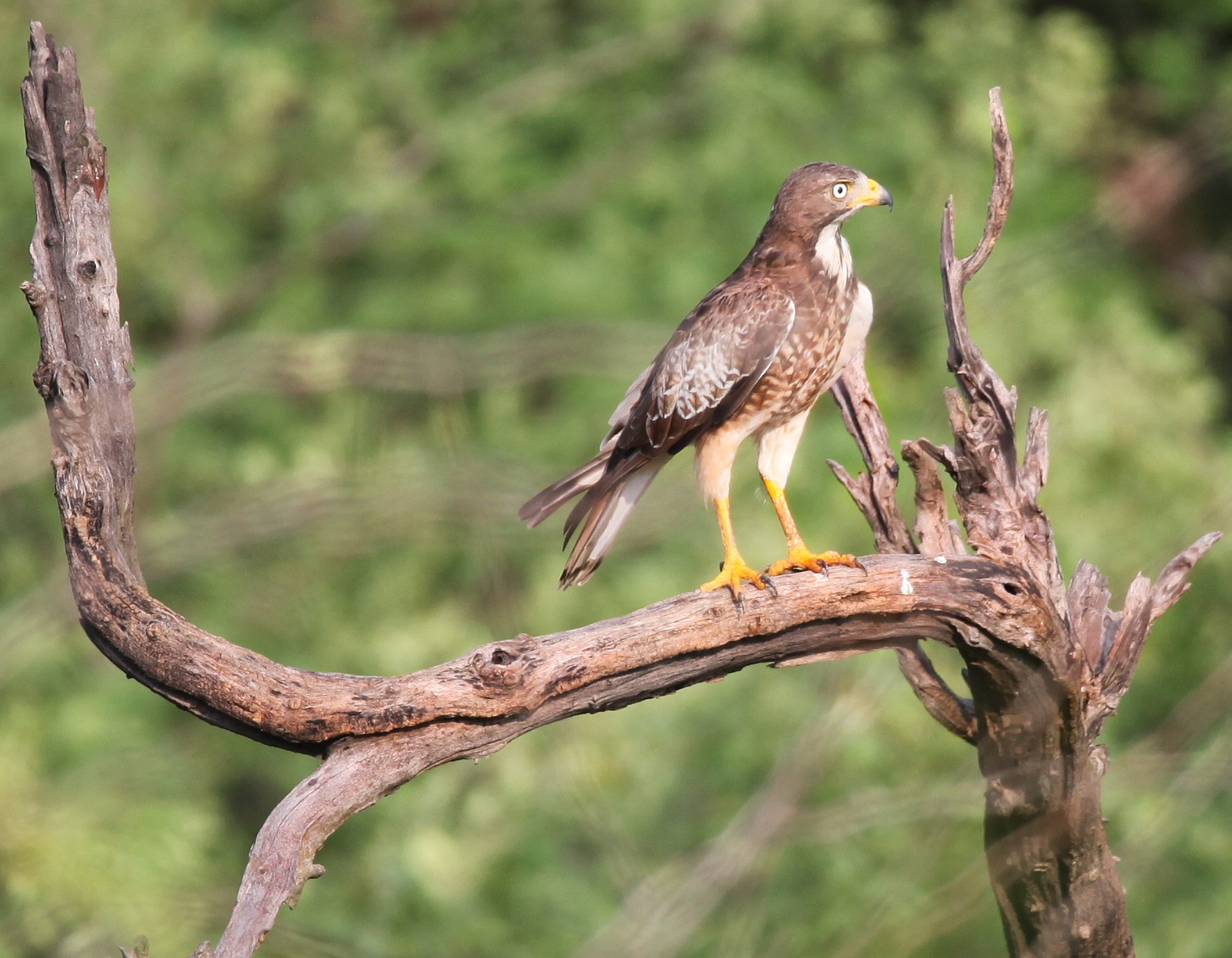
Located at the park’s southern boundary, Jhirna is a relatively recent addition to the reserve. Open throughout the year, it attracts visitors year-round with its abundant wildlife, including tigers, wild bears, elephants, and various deer species. Jhirna also offers birdwatching opportunities; wildlife sightings vary with conditions and availability. Jeep safaris operate in two shifts daily, with advance booking necessary.
Dhela Zone
- Entry Gate: Dhela Gate (15 km from Ramnagar)
- Open Season: Year-round (subject to weather)
- Safari Type: Day Jeep Safari
- Max Jeeps per Shift: 15
- Forest Rest Houses: None
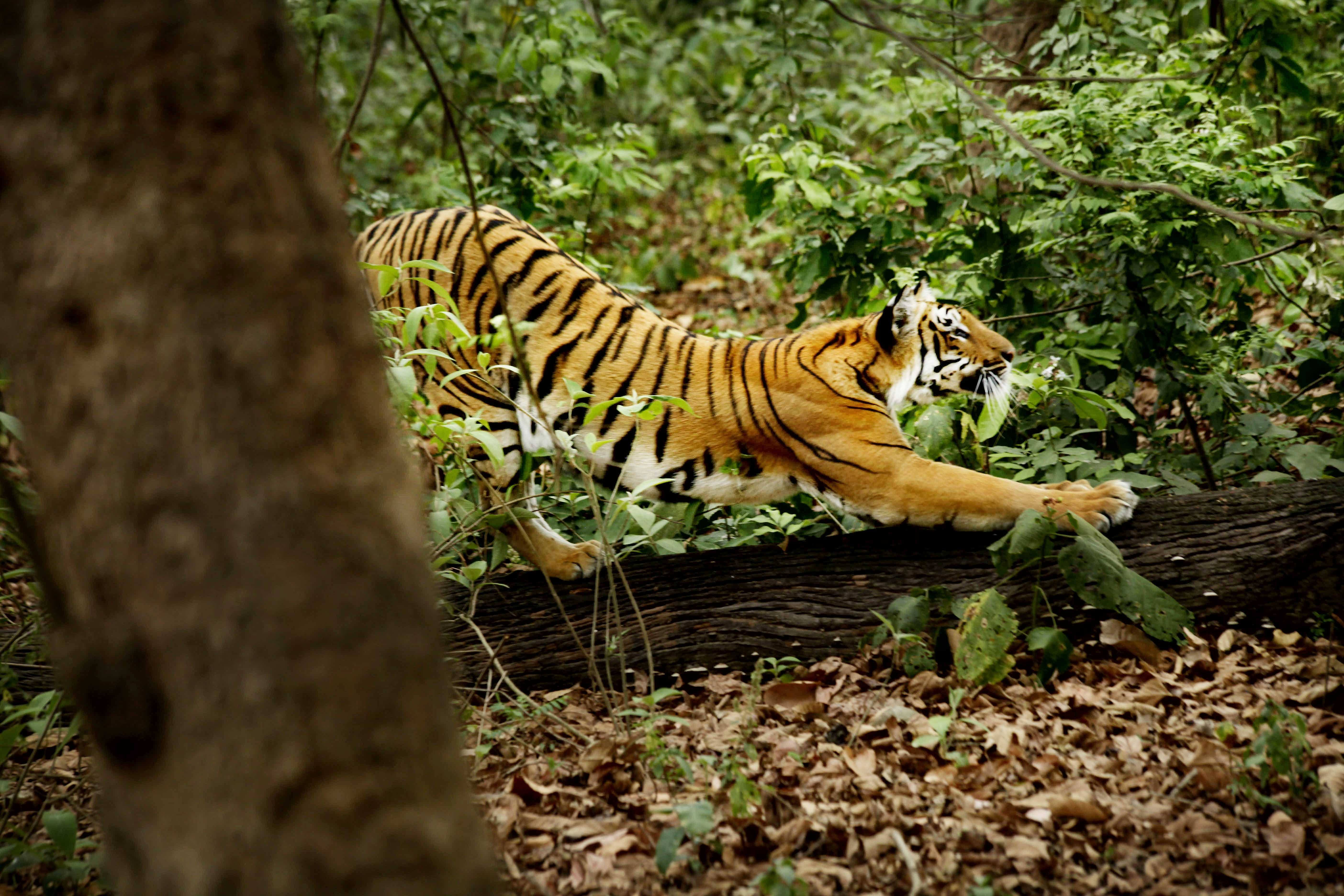
Dhela is one of the newest safari zones, opened to tourists in 2014. It features a mixed landscape of dense sal, haldu, bahera, and kusum forests combined with open grasslands and water bodies. This zone is rich in wildlife, including tigers, leopards, elephants, and numerous bird species, making it a paradise for birdwatchers. Visitors must book safaris and guides in advance, as entry is strictly regulated.
Durga Devi Zone
- Entry Gate: Durga Devi Gate (28 km from Ramnagar)
- Open Season: November 15 to June 15
- Safari Type: Day Jeep Safari
- Max Jeeps per Shift: 11
- Forest Rest House: Lohachaur FRH
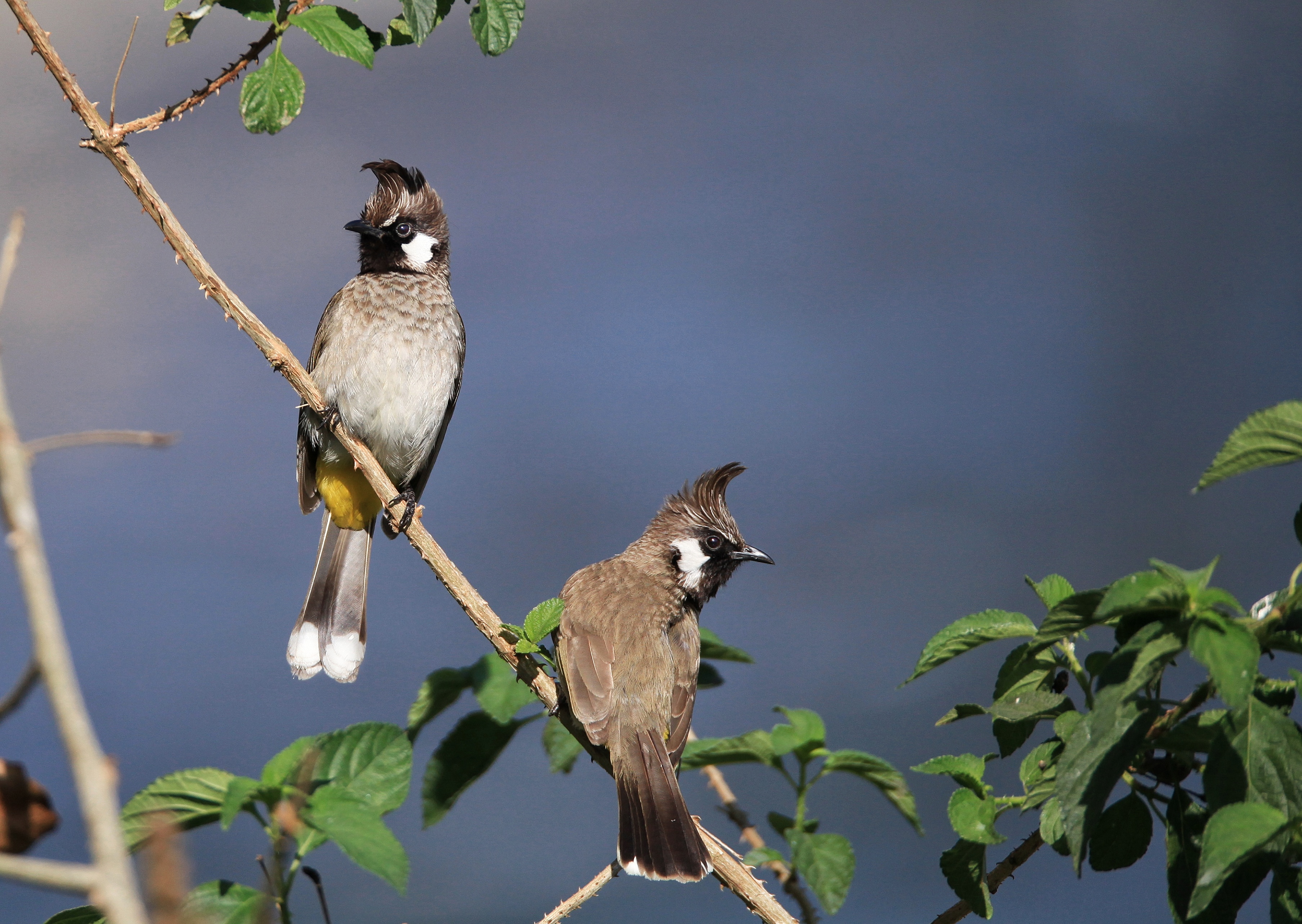
Durga Devi offers a hilly terrain with abundant flora and fauna, enriched by the waters of the Ramganga and Mandal rivers. Apart from tigers, visitors might spot leopards, wild elephants, otters, and the famous Mahseer fish in the river streams. The area is also a hotspot for birdwatching, with rare species like the Gray-headed Fishing Eagle and Maroon Oriole. Tourists can also stay overnight at the Lohachaur Forest Guest House with prior booking.
Sitabani Forest Zone (Buffer Zone)
- Entry Gate: Near Teda Village (private vehicles allowed, 4 km from Ramnagar)
- Exit Gate: Paulgarh Gate
- Open Season: Year-round
- Safari Type: Day Jeep and Elephant Safaris, Private Vehicles Allowed
- Max Jeeps: Unlimited
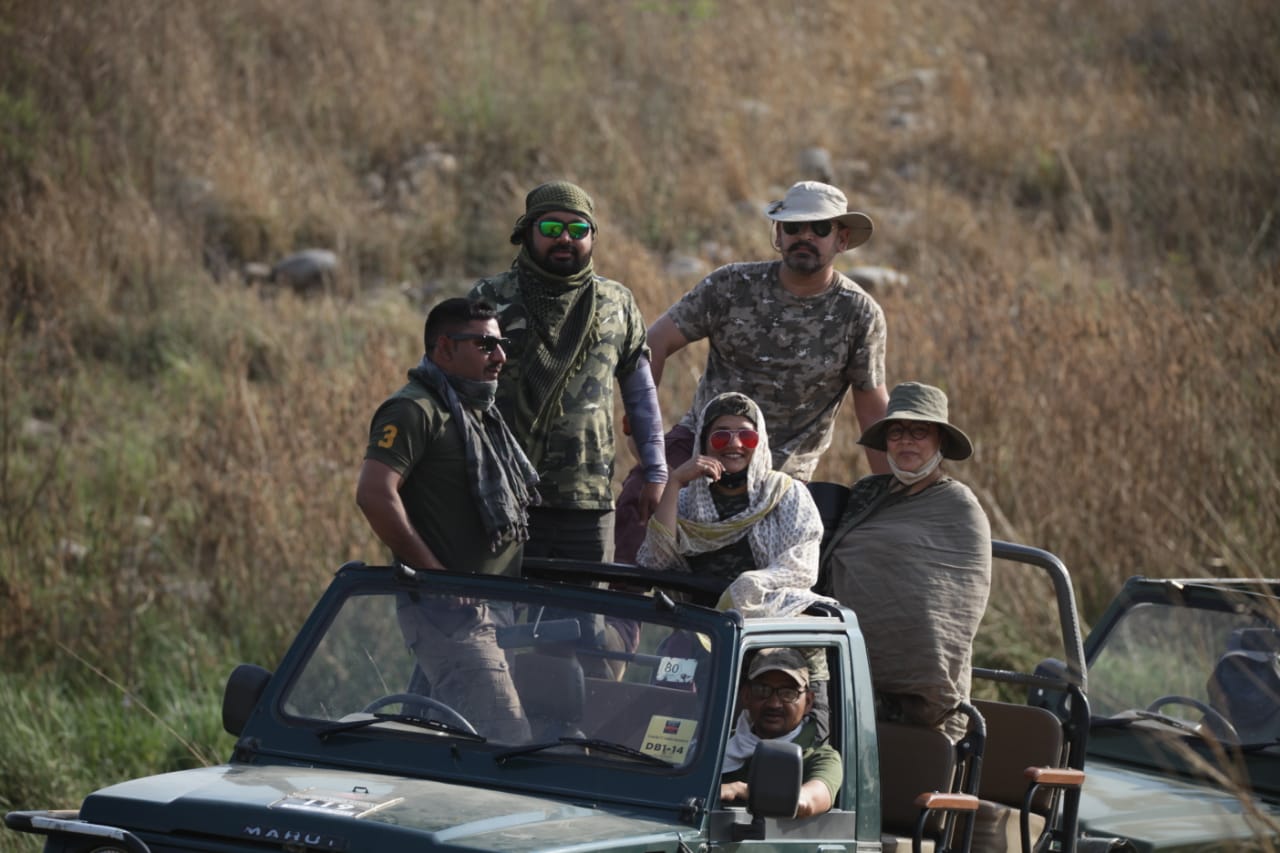
Sitabani lies outside the core tiger reserve and serves as its buffer zone. This area is known for dense forests, flowing streams, and several ancient temples, including the Sitabani and a Shiva temple maintained by the Archaeological Survey of India. Although tiger sightings are rare here, herbivores such as elephants, deer, and sambars roam freely, alongside a rich bird population with over 600 species. Visitors can explore the forest via jeep, elephant safari, or on foot, and private vehicles are permitted.
Garjiya Zone
- Entry Gate: Amdanda Gate (9 km from Ramnagar)
- Exit Gate: Garjiya Gate
- Open Season: November 15 to June 30
- Safari Type: Morning and Evening Jeep Safaris
- Max Jeeps: Limited
- Forest Rest Houses: Garjiya FRH, Malani FRH

Garjiya is one of the newer safari zones introduced to meet rising tourist demand. It features dense forests and diverse wildlife, including tigers, with sightings dependent on natural conditions. The area offers a tranquil atmosphere with breathtaking landscapes, making it a favorite for nature lovers.
Phato Zone
- Entry Gate: Phato Gate (26 km from Ramnagar)
- Exit Gate: Phato Gate
- Open Season: November 15 to June 30
- Safari Type: Morning and Evening Jeep Safaris
- Max Jeeps: 50 in two shifts
- Forest Rest Houses: Treehouse stays available
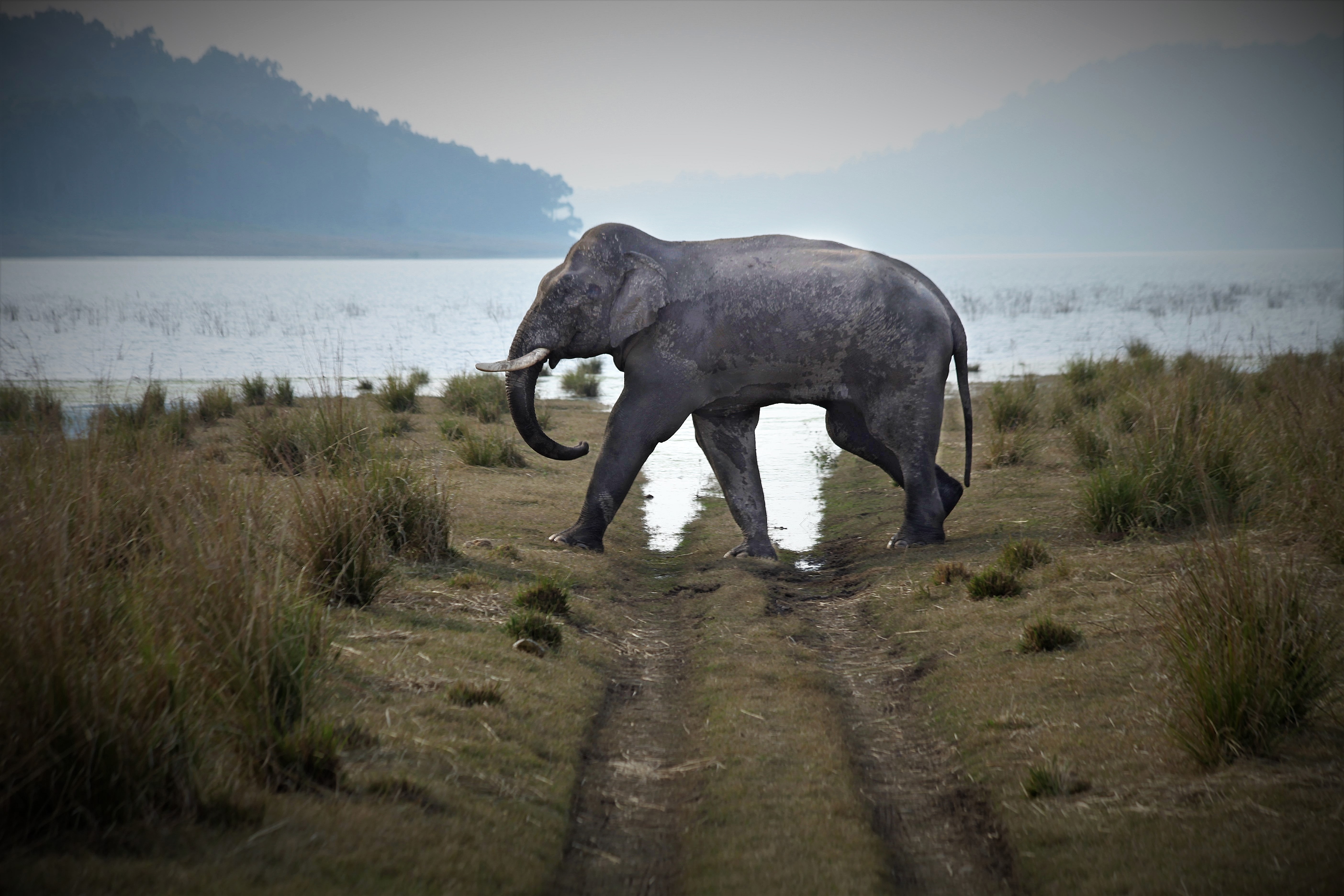
Phato is celebrated for its scenic beauty and rich wildlife. The zone is popular with visitors seeking forest scenery and wildlife viewing; sightings are subject to natural conditions. Safaris here provide a perfect blend of adventure and tranquility, with guided jeep tours exploring the diverse flora and fauna. The entry gate is located in Mohan Nagar Maldhan, and the zone offers jeep safaris twice daily.